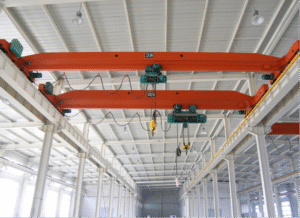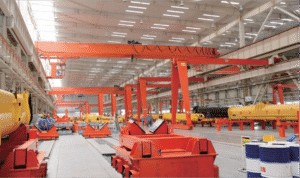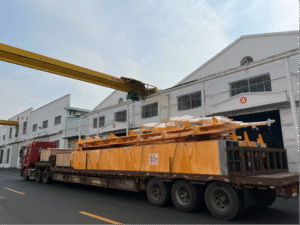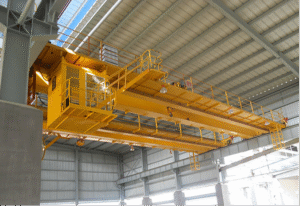
In the field of industrial lifting and material handling, electric hoists are widely used and play a vital role. Based on their structure and lifting mechanism, electric hoists are mainly divided into two types: wire rope hoists and chain hoists. But what exactly is the difference between them? And how can you choose the most suitable type for your specific application? In this article, we’ll compare the two types from several key aspects including structure, performance, application scenarios, and maintenance.
1. Structural Differences
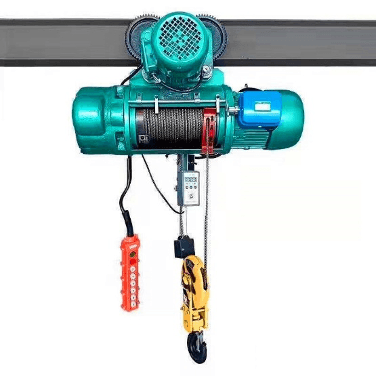
- Wire Rope Hoist
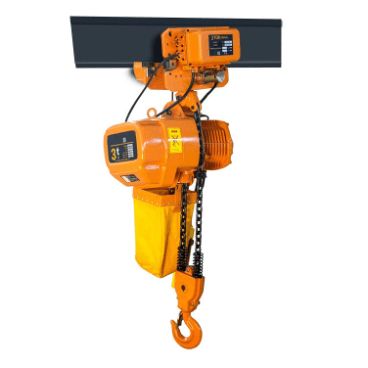
Uses a steel wire rope wound around a drum, driven by a motor through a gearbox. The wire rope offers excellent tensile strength and flexibility, making it suitable for long lifting heights and heavy-duty applications. - Chain Hoist
Lifts the load using a high-strength alloy steel chain that runs through a sprocket. It’s compact in design and suitable for short lifting heights and tight spaces.
2. Performance Comparison
| Category | Wire Rope Hoist | Chain Hoist |
| Lifting Capacity | Up to 100 tons or more | Typically used for ≤ 5 tons |
| Lifting Height | High; can reach dozens of meters | Generally ≤ 12 meters |
| Duty Cycle | Suitable for frequent, heavy-duty use | Suitable for light to medium duty |
| Lifting Control | Faster lifting, smooth operation | More precise speed control possible |
| Size & Weight | Larger and heavier, requires fixed installation | Compact and portable |
3. Application Scenarios
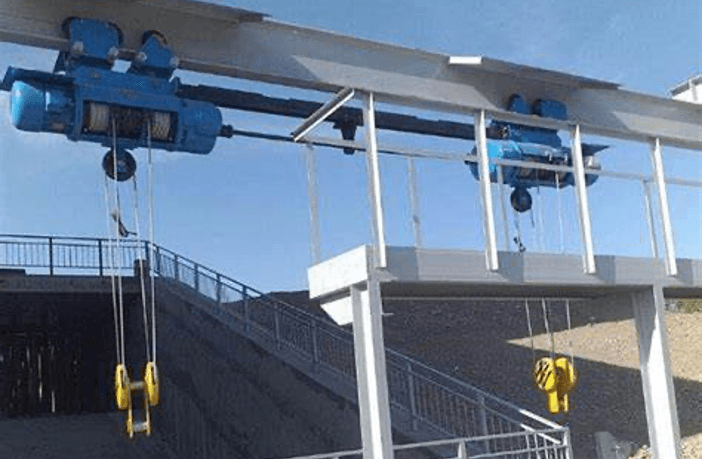
- Wire Rope Hoist:
Widely used in large industrial facilities, heavy manufacturing, steel structure processing, shipbuilding, railway projects, power plants, cement plants, etc. Ideal for high-frequency, heavy-load, and large-span lifting operations.
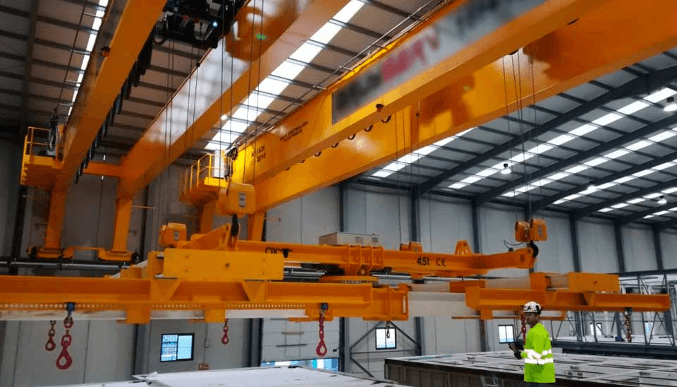
- Chain Hoist:
Commonly used in workshops, warehouses, construction sites, automated production lines, and other light-duty work environments. Especially suitable for compact spaces and applications that require flexible installation.
4. Maintenance & Cost
- Wire Rope Hoist:
More complex maintenance. The wire rope needs regular inspection, and the drum and guiding system require periodic servicing. However, it performs reliably over long operating cycles and is a good investment for long-term heavy-duty operations. - Chain Hoist:
Simpler structure with easier and lower-cost maintenance. Replacing chains is generally cheaper and more convenient than replacing wire ropes. Ideal for small businesses and short-term projects.
5. Which One Should You Choose?
We recommend:
- Wire Rope Hoist if:
- Lifting capacity exceeds 5 tons
- You require high lifting height
- Your operations are frequent and demanding
- You work in a fixed industrial setting
- Chain Hoist if:
- You need to lift lighter loads
- Space is limited
- You need to move and reinstall the hoist frequently
- You have a tight equipment budget
Conclusion
Both wire rope hoists and chain hoists have their own strengths. There is no absolute “better” option—only the one that best fits your needs. As a professional lifting equipment supplier, we offer tailored product recommendations and technical support based on your specific requirements, ensuring you get the most reliable and cost-effective hoisting solution.