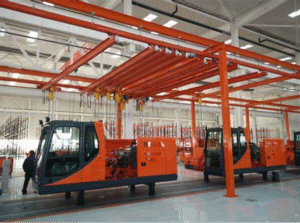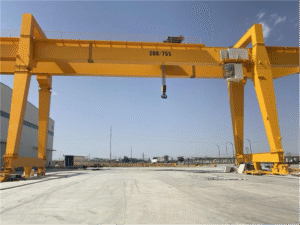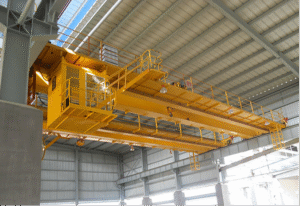
In the global procurement and application of industrial lifting equipment, gantry cranes have become a widely adopted solution thanks to their strong adaptability, flexible structure, and wide coverage. They are commonly used in outdoor storage yards, construction sites, ports, railways, and large industrial workshops.
For international customers, understanding the standard operating procedures and safety guidelines of gantry cranes is not only key to improving work efficiency but also critical for ensuring personal safety and protecting property.
This guide provides a comprehensive overview of gantry crane operation rules, safety precautions, and management suggestions, especially suitable for technical teams, operators, and maintenance engineers on the buyer’s side.
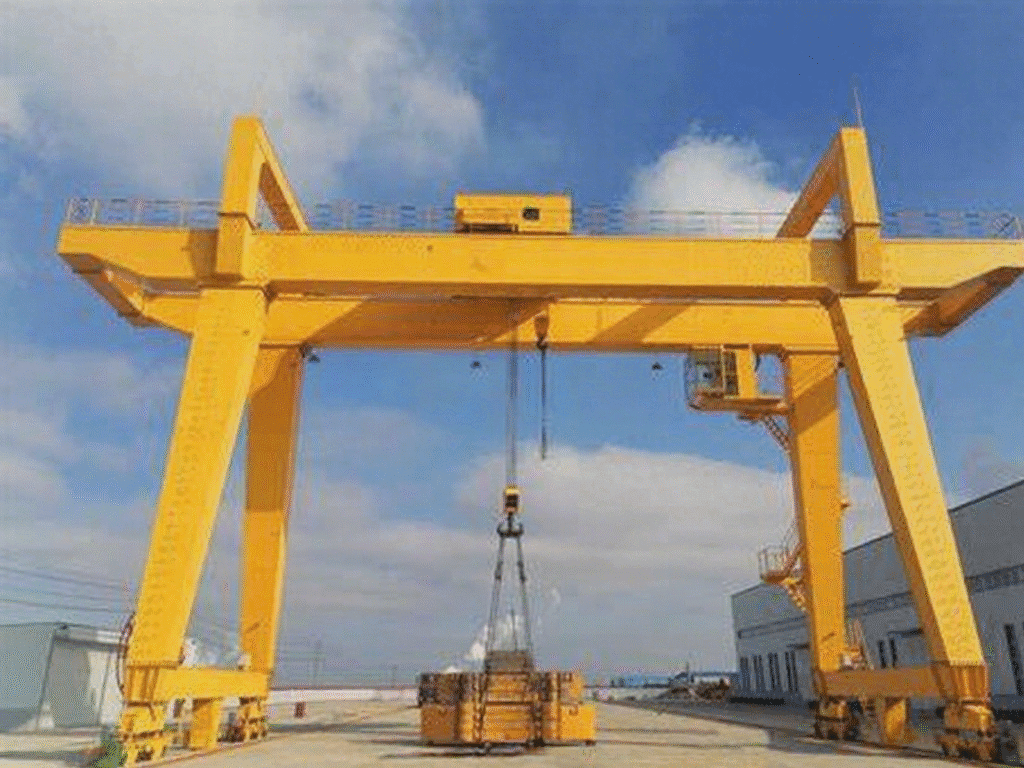
1. Pre-Operation Checklist: Safety Starts with Standardized Inspection
Before each use, operators should strictly follow the inspection procedures below:
- ✅ Check for wear, breaks, or jams in wire ropes, hooks, and drums.
- ✅ Ensure the electrical system is powered normally; verify the emergency stop button is functional.
- ✅ Ensure the track is clean and free of debris or obstructions.
- ✅ Verify that limit switches, travel switches, and safety devices are operating correctly.
- ✅ Check whether key components (e.g., pulleys, couplings, reducers) are properly lubricated.
📌 Reminder: If any abnormalities are found, stop operation immediately and report for maintenance. Do not operate the crane with faults.
2. Safe Operating Practices During Use
To ensure operational safety and smooth equipment performance, operators must follow these rules:
- Only certified personnel who are trained and qualified may operate the crane.
- Before startup, sound an alarm or visual signal to ensure no personnel are in the lifting area.
- Keep lifting/lowering movements smooth. Avoid abrupt starts, stops, or reverse operations.
- Never lift loads beyond the rated capacity. Avoid side pulling, swinging, or colliding with other equipment.
- No personnel should stand or pass beneath a suspended load.
- During transport, keep the load no more than 50 cm (20 in) from the ground to allow for emergency handling.
- After work is completed, disconnect the power supply and raise the hook to a safe position.
3. Special Considerations for Challenging Environments
For enhanced safety under special working conditions, the following precautions should be taken:
- 🌡 High/low temperature environments: Use temperature-resistant cables and sealed components.
- 💥 Hazardous/explosive areas: Equip the crane with explosion-proof control systems.
- 🌧 Outdoor operations: Provide weatherproof covers and regularly inspect anti-corrosion coatings.
- 🌬 High winds: Stop all operations if wind speed exceeds the safety limit. Secure the crane to prevent sliding or tipping.
4. Common Violations & Safety Hazards to Avoid
Improper operation is one of the main causes of crane-related accidents. Be especially cautious of:
- Overloading, which may lead to structural failure, motor burnout, or crane overturning.
- Untrained or uncertified personnel operating the equipment, increasing the risk of human error.
- Neglecting daily inspections or maintenance, leading to component failure or safety blind spots.
- Poor site management, which may result in uncontrolled load swinging, collisions, or falling objects.
📌 Safety operations = Corporate responsibility + Employee protection + Equipment efficiency.
5. Operator Training Recommendations
We recommend the following training measures once equipment installation and commissioning are complete:
- 📘 Become familiar with the operation manual, wiring diagrams, and control functions.
- 🎥 Watch manufacturer-provided training videos or receive remote guidance.
- 🧠 Learn the emergency stop system, power cut-off procedures, and basic fault diagnosis.
- 🧪 Undergo at least 2 hours of hands-on simulation using unloaded or light loads.
Upon request, we can provide bilingual training materials and offer remote or on-site engineer support for overseas customers.
6. Conclusion: Safety is the Foundation of Global Lifting Efficiency
Though gantry cranes are heavy-duty industrial machines, with proper planning and standardized operation, users can achieve the ideal combination of high efficiency, zero accidents, and low maintenance costs.
Let safe operation be your strongest support in global lifting projects.
📩 Need expert support or a custom gantry crane solution? Contact us today!